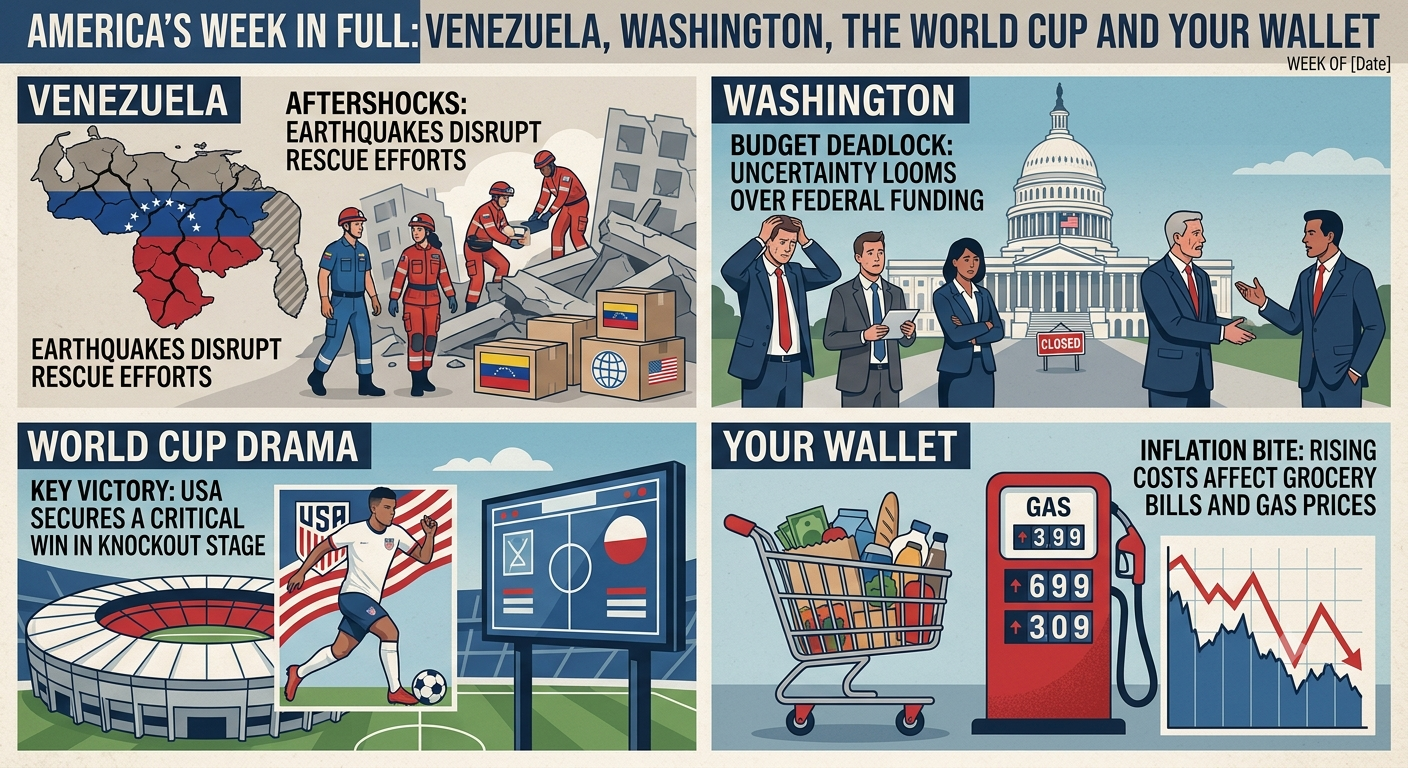

Venezuela is facing one of the most devastating natural disasters in its modern history after two powerful earthquakes struck the country within moments of each other, leaving widespread destruction, hundreds injured, and a growing death toll.
The twin earthquakes, measured at magnitudes 7.2 and 7.5, hit just one minute apart, shaking Caracas and several surrounding regions. Experts describe the event as one of the strongest seismic disasters to affect Venezuela in more than a century.
Authorities report that more than 160 people have lost their lives, while nearly 1,000 others have been injured. Emergency officials warn that these figures may continue to rise as rescue teams work through damaged neighborhoods and collapsed structures.
Massive Rescue Operation Underway
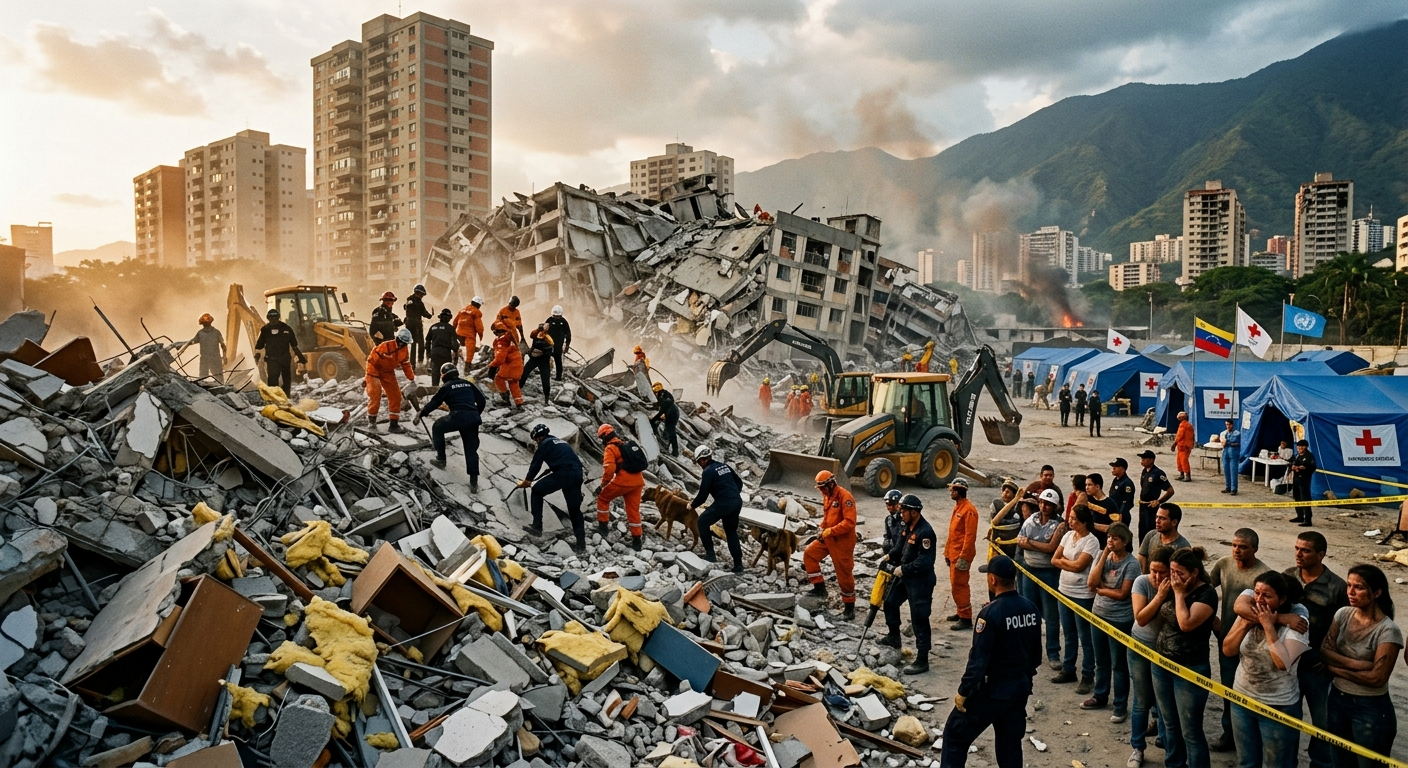
Search-and-rescue crews remain active across the affected areas, particularly in Caracas, where several buildings partially or completely collapsed during the tremors. Heavy machinery, specialized rescue units, medical personnel, and volunteers are working around the clock to locate survivors trapped beneath debris.
Witnesses described scenes of panic as residents rushed into streets while buildings swayed violently. Hospitals in several cities have been operating under emergency protocols as medical teams treat hundreds of injured victims.
The Venezuelan government has declared a nationwide state of emergency, allowing authorities to mobilize additional resources and coordinate relief operations more effectively.
International Community Responds
Global leaders quickly reacted to the disaster, offering assistance and support to Venezuela.
U.S. Secretary of State Marco Rubio announced that the United States would immediately deploy search-and-rescue teams, medical resources, and humanitarian assistance to help affected communities.
China and the European Union have also pledged support, while several countries across Latin America expressed solidarity and offered emergency aid.
International organizations are preparing additional relief packages, including medical supplies, temporary shelters, food assistance, and emergency infrastructure support.
Economic Impact Raises Concerns
Beyond the human tragedy, analysts warn that the earthquakes could create significant economic challenges for Venezuela.
The country was already facing infrastructure and financial difficulties before the disaster. Damage to roads, public transportation systems, utilities, communications networks, and residential areas is expected to require extensive reconstruction efforts.
Economists believe the recovery process could take years, particularly if critical infrastructure suffered major structural damage.
World Cup Overshadowed by Tragedy
The disaster occurred while global attention was focused on the 2026 FIFA World Cup. News coverage quickly shifted toward Venezuela as images emerged showing collapsed buildings, damaged streets, and rescue operations across affected regions.
Messages of support have arrived from governments, sports organizations, and public figures worldwide, expressing condolences to victims and their families.
Rescue Efforts Remain the Priority
Emergency responders continue searching for survivors as aftershocks remain a concern in several areas.
Officials are urging residents to remain cautious, avoid damaged structures, and follow safety instructions issued by local authorities.
For now, Venezuela’s focus remains on saving lives, assisting displaced families, and beginning the long process of recovery from what many experts describe as a once-in-a-century seismic catastrophe.
Follow ACT News for more international updates and breaking news from around the world.